top of page

A Seat At The Table
Exploring equity through the lens of the dining experience.
Skills
Concept Development,
Illustration,
3D Modelling,
Physical Fabrication,
Interdisciplinary Collaboration
Timeline
3 weeks
(Nov 2021)
Team
Shori Sims,
Lydia Randall
Tools
Rhino 3D,
V-ray,
Illustrator,
InDesign


Overview
How might we physically visualize socio-political imbalance, and the power inequities underlining the question "who gets heard at the table?"
A set of table concepts that are physically imbalanced. They will require those seated at the table to collaborate to reach a common goal - stability - and in doing so form a common understanding. We prototyped these at small-scale.
Outcomes
1. Seesaw

Built for two people, this unequally weighted table requires each to be mindful about the placement and quantity of food they are consuming in order to keep the table level.
The table biases to one side, therefore more weight (effort) is needed from one participant in order to keep the balance and be heard.


2. Fulcrum
This table works in a similar manner to the seesaw, but expands the number of participants to at least four to create a group experience and introduce further complexity.


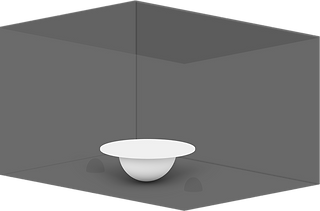
3. Scales


This concept plays with a "scales of justice" metaphor. It creates an unmistakable visual representation of how power works in the world, and how we are all forced to participate in different ways in order to bring about true equity.

4. Chandelier


This concept is centered around balance and height, as certain plates become inaccessible to those not able to vertically reach them. Tipping or changing one plate on the system impacts the way the others sit, thus the experience becomes a collaborative act where certain actions may benefit some and exclude others.
5. Log


This table transforms something traditionally competitive (log-rolling) into a team-based exercise. Two people sit at either end of the table and have to work in sync with each other to keep the table upright.

6. Fabric
This concept uses soft materials to expand the binary of "balanced" vs "unbalanced" to a more nuanced gradient. The malleable nature of fabric allows local points of stasis and stability to form amidst the general surface tension.


bottom of page